

Gynecomastia without surgery may improve when the condition develops during puberty, results from a reversible hormonal imbalance or is linked to certain medicines. However, longstanding glandular breast tissue often does not disappear with exercise or weight loss alone. A medical examination helps identify the cause and determine whether observation, medication or surgery is appropriate.
Gynecomastia without surgery is possible in certain situations, particularly when breast enlargement is recent, related to puberty or caused by a reversible medical factor. However, established glandular tissue often remains despite exercise and weight loss. Therefore, identifying whether the chest enlargement comes from fat, glandular tissue or another condition is the first step towards appropriate treatment.
What Is Gynecomastia?
Gynecomastia is the enlargement of glandular breast tissue in males.
It may affect one side or both sides of the chest. Additionally, some patients experience tenderness or sensitivity around the nipple.
The condition can develop during puberty, adulthood or later life.
Hormonal changes, medications and certain medical conditions may contribute.
However, not every enlarged male chest is caused by gynecomastia.
Gynecomastia vs Chest Fat
True gynecomastia involves an increase in glandular breast tissue.
In contrast, pseudogynecomastia refers to chest enlargement primarily caused by excess fat.
This distinction is important because the two conditions respond differently to weight loss.
For example, chest fat may decrease when overall body fat decreases.
However, firm glandular tissue often persists.
A medical examination can help distinguish these conditions.
Can Gynecomastia Go Away Naturally?
Some cases improve without surgery.
However, the likelihood depends on the patient's age, cause and duration of the condition.
Gynecomastia During Puberty
Temporary gynecomastia is relatively common during puberty.
Hormonal changes may cause breast tissue enlargement.
Fortunately, many cases improve naturally as hormone levels stabilise.
Therefore, observation and periodic medical assessment may be appropriate when there are no concerning findings.
Persistent enlargement should be assessed by a qualified clinician.
Medication-Related Gynecomastia
Certain medicines may contribute to breast tissue enlargement.
Examples include some hormonal treatments and medications used for particular medical conditions.
Anabolic steroids may also contribute.
If a medicine is suspected, the prescribing doctor can review whether an alternative is appropriate.
However, patients should never stop prescribed medication without medical advice.
Hormonal and Medical Causes
Gynecomastia can sometimes be associated with thyroid disorders, low testosterone or other hormonal problems.
Certain liver, kidney and testicular conditions may also contribute.
Therefore, a clinician may recommend investigations based on symptoms and examination findings.
Treating an underlying cause can sometimes improve recent gynecomastia.
Nevertheless, longstanding glandular tissue may remain.
Can Exercise Remove Gynecomastia?
Exercise supports general health and can reduce overall body fat.
However, exercise cannot reliably remove established glandular breast tissue.
Does Chest Exercise Help?
Push-ups, bench presses and other chest exercises strengthen the pectoral muscles.
Consequently, they may improve muscle development and body composition.
However, they do not directly eliminate the gland beneath the nipple.
Some patients notice a more defined chest after exercise, while others continue to experience visible breast enlargement.
Can Weight Loss Help?
Weight loss may improve chest appearance when excess fat is the main contributing factor.
Therefore, patients with overweight or obesity may benefit from a sustainable nutrition and exercise plan.
However, true gynecomastia may persist after substantial weight loss.
Are There Exercises Specifically for Gynecomastia?
No exercise has been proven to selectively eliminate enlarged glandular breast tissue.
Instead, a balanced fitness routine can improve overall body composition.
Patients should avoid unrealistic claims that a particular workout will permanently cure true gynecomastia.
Medical Treatment for Gynecomastia Without Surgery
Non-surgical treatment depends on the underlying cause.
In some cases, no immediate intervention is necessary.
In others, a doctor may recommend additional testing or treatment.
Observation and Monitoring
When gynecomastia is recent and likely to resolve naturally, observation may be appropriate.
A clinician may monitor changes in size, tenderness and symptoms.
However, worsening or unexplained enlargement requires reassessment.
Treating an Underlying Condition
If a hormonal or medical condition contributes to breast enlargement, treating that condition is important.
For example, management of a thyroid disorder may help address a contributing factor.
Nevertheless, treatment of the underlying condition does not guarantee that established breast tissue will disappear.
Can Medicines Reduce Gynecomastia?
Certain prescription medicines have been used in selected patients with painful or recent gynecomastia.
However, their use depends on clinical circumstances, and some treatments are off-label.
They are not appropriate for everyone.
Additionally, evidence for reversing longstanding glandular enlargement is limited.
Therefore, patients should avoid taking hormone-related medicines or supplements without specialist advice.
Do Creams or Supplements Work?
Over-the-counter creams and supplements are sometimes marketed as non-surgical gynecomastia treatments.
However, reliable evidence supporting their ability to remove glandular breast tissue is lacking.
Some products may also contain ingredients that affect hormone balance.
Therefore, patients should discuss any supplement with a qualified healthcare professional before use.
When Is Surgery Necessary?
Surgery is not necessary for every patient with gynecomastia.
However, it may be considered when enlargement persists and causes significant physical discomfort or distress.
Before recommending an operation, a surgeon should evaluate possible underlying causes.
Signs That Surgery May Be Considered
Surgical assessment may be appropriate when:
-
Glandular enlargement persists despite observation.
-
The chest appearance remains unchanged after weight management.
-
The patient experiences persistent discomfort.
-
Enlarged tissue causes significant distress.
-
The patient understands the risks and limitations of surgery.
-
A medical evaluation has excluded concerning underlying causes.
Importantly, surgery should be based on informed patient choice rather than pressure about appearance.
How Does Gynecomastia Surgery Work?
The procedure may involve direct gland excision, liposuction or a combination of both.
Gland excision removes excess glandular tissue.
Meanwhile, liposuction addresses surrounding fatty tissue and helps shape the chest.
Some patients with significant loose skin may require additional correction.
For more details, visit the gynecomastia surgery service page.
What Are the Risks?
Potential risks include bleeding, infection, scarring, changes in nipple sensation, asymmetry and contour irregularities.
Additionally, some patients may require further treatment.
Therefore, the decision should follow a discussion of expected benefits, limitations and complications.
Gynecomastia Without Surgery vs Surgical Treatment
The following table compares common approaches.
| Treatment | Best Suited For | Limitations |
|---|---|---|
| Observation | Recent or puberty-related gynecomastia | Improvement is not guaranteed |
| Weight loss | Excess chest fat | Does not reliably remove glandular tissue |
| Exercise | General fitness and body composition | Cannot selectively eliminate gland tissue |
| Medication review | Suspected medicine-related enlargement | Changes require medical supervision |
| Hormonal treatment | Selected patients with diagnosed disorders | May not reverse longstanding tissue |
| Surgery | Persistent glandular enlargement in suitable patients | Involves operative risks and recovery |
The appropriate approach depends on diagnosis, symptoms and personal preferences.
When Should You Consult a Surgeon?
A consultation is useful when chest enlargement persists, becomes uncomfortable or causes concern.
However, some symptoms require prompt medical evaluation.
These include:
-
A new hard or fixed lump.
-
Bloody nipple discharge.
-
Skin dimpling or unusual skin changes.
-
Rapidly increasing enlargement.
-
Significant unexplained pain.
-
A testicular lump or other concerning symptoms.
These findings do not necessarily indicate a serious condition, but they should not be ignored.
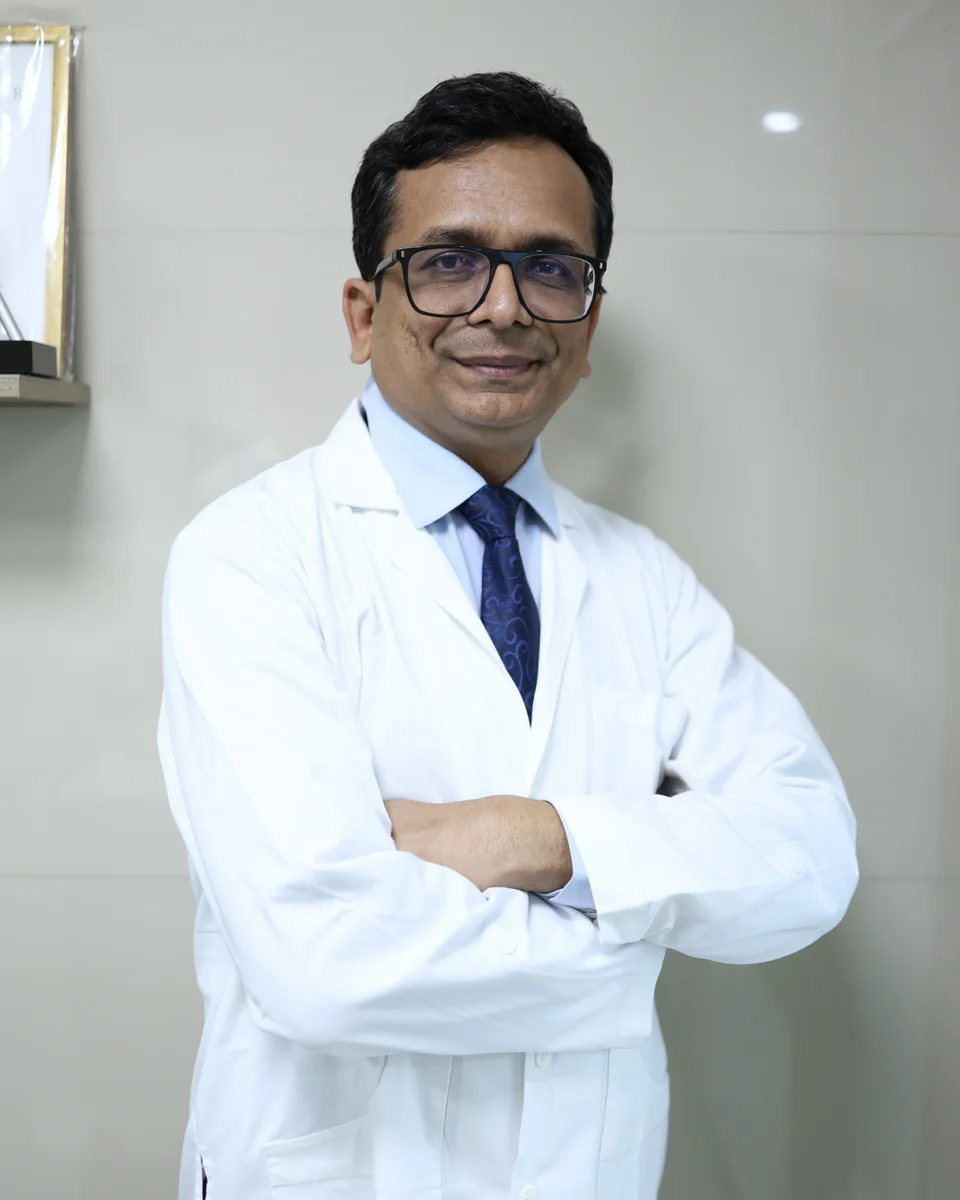
Consultation With Dr. Arvind Patel
Dr. Arvind Patel is an MBBS, MS and MCh-qualified plastic, cosmetic and microvascular surgeon.
He practises at Kiran Multi-Superspeciality Hospital.
During a consultation, patients can discuss their symptoms, medical history and possible treatment options.
Importantly, the first step is determining whether the enlargement represents true gynecomastia, excess fat or another medical condition.
Is Surgery the Only Permanent Solution?
Not always.
Some cases resolve naturally, particularly when related to puberty or reversible causes.
However, persistent glandular tissue is less likely to disappear through lifestyle changes alone.
Surgical removal may offer a lasting reduction in selected patients.
Nevertheless, future hormonal changes, medications, anabolic steroid use or weight gain can affect chest appearance.
Therefore, managing contributing factors remains important even after treatment.
Book a Gynecomastia Consultation
If chest enlargement has persisted despite lifestyle changes, a medical assessment can help clarify the cause.
A consultation can also help determine whether observation, investigation or treatment is appropriate.
To discuss your concerns, visit the Dr. Arvind Patel contact page.
Conclusion
Gynecomastia without surgery is possible in selected cases, particularly when breast enlargement is recent or linked to reversible factors.
However, longstanding glandular tissue often does not respond to exercise or weight loss alone.
Therefore, the most useful first step is a medical evaluation to establish the cause.
Treatment should be individualised according to symptoms, health and patient preferences.
Frequently Asked Questions
Can gynecomastia go away without surgery?
Yes, some cases of gynecomastia improve without surgery, particularly during puberty or after a reversible cause is addressed. However, longstanding glandular tissue is less likely to disappear naturally. A medical assessment helps determine whether observation, treatment of an underlying condition or surgery is appropriate.
Can exercise and weight loss cure gynecomastia?
Exercise and weight loss can reduce overall body fat and may improve chest appearance when excess fat is the main cause. However, they cannot reliably remove true glandular breast tissue. If enlargement persists despite weight management, a medical examination can help identify the underlying reason.
Are medicines effective for gynecomastia without surgery?
Medicines may help selected patients, particularly when gynecomastia is recent, painful or associated with a treatable hormonal condition. However, medication is not appropriate for everyone and may not reverse longstanding glandular enlargement. Treatment should be prescribed and monitored by a qualified clinician.
How long does puberty-related gynecomastia take to disappear?
Puberty-related gynecomastia often improves gradually as hormone levels stabilise, sometimes over several months to a few years. However, the timeline varies. Persistent, worsening or unusual enlargement should be medically evaluated rather than assuming it will disappear on its own.
When should I consider gynecomastia surgery?
Surgery may be considered when glandular enlargement persists, causes discomfort or significantly affects quality of life after appropriate medical evaluation. The decision depends on symptoms, examination findings and personal preferences. A qualified plastic surgeon can explain the expected benefits, risks, recovery and alternatives.
Dr. Arvind Patel
Consultant Plastic, Cosmetic and Microvascular Surgeon with 21+ years in Surat. Gold medalist in MCh Plastic Surgery, microvascular fellowship at Tata Memorial Hospital, and the surgeon behind Gujarat's first hand transplant.
View full profile

