
Straight answers about consultation, preparation, recovery, costs and safety, written for patients rather than for other doctors.
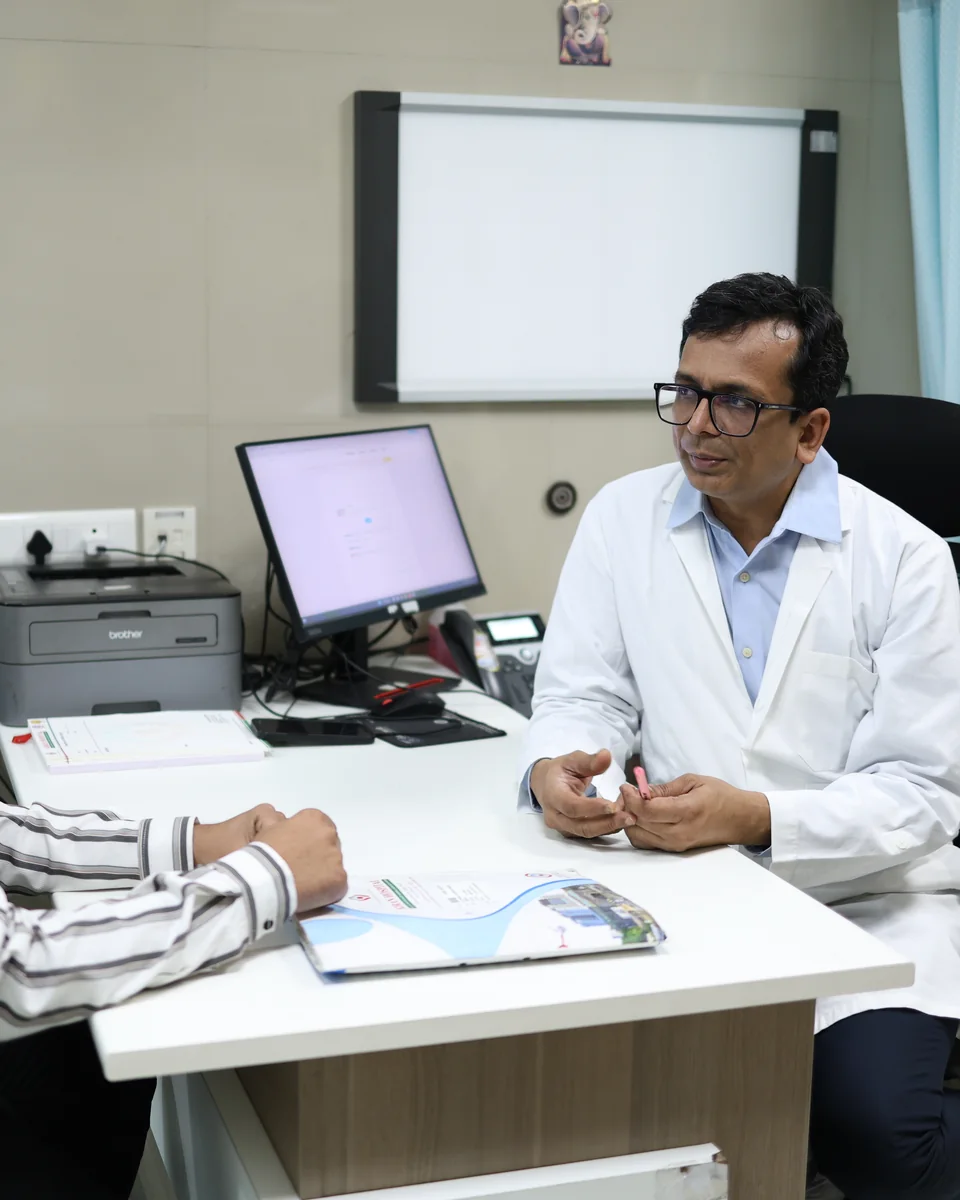
Care follows five stages. You start with a consultation, where the problem is assessed and the options are explained. Next comes planning, with tests and a written estimate. Then the surgery itself, at Kiran Multi-Superspeciality Hospital, Surat. Recovery follows, guided by a written plan. Finally, follow up reviews continue until healing has settled.
Most anxiety before surgery comes from not knowing what happens next. Therefore this page sets out the whole pathway in plain language, from the first appointment to the last review. Read what applies to you, and bring your questions to the consultation.
If you are travelling from outside India, read the NRI Corner as well, because the timings differ. You can also read more about Dr. Arvind Patel and his training.
Nothing here replaces a personal assessment. Two patients with the same diagnosis can need different operations, because anatomy, health and expectations all differ.
Your concern is discussed, your history is taken, and you are examined. Realistic options are explained, including the option of not operating.
Blood tests, imaging where needed, and an anaesthetic assessment. You receive a written estimate and a recovery timeline, so you can plan leave and support at home.
The procedure, the alternatives and the specific risks are explained again before you sign. Ask anything that is still unclear, because consent is a conversation and not a formality.
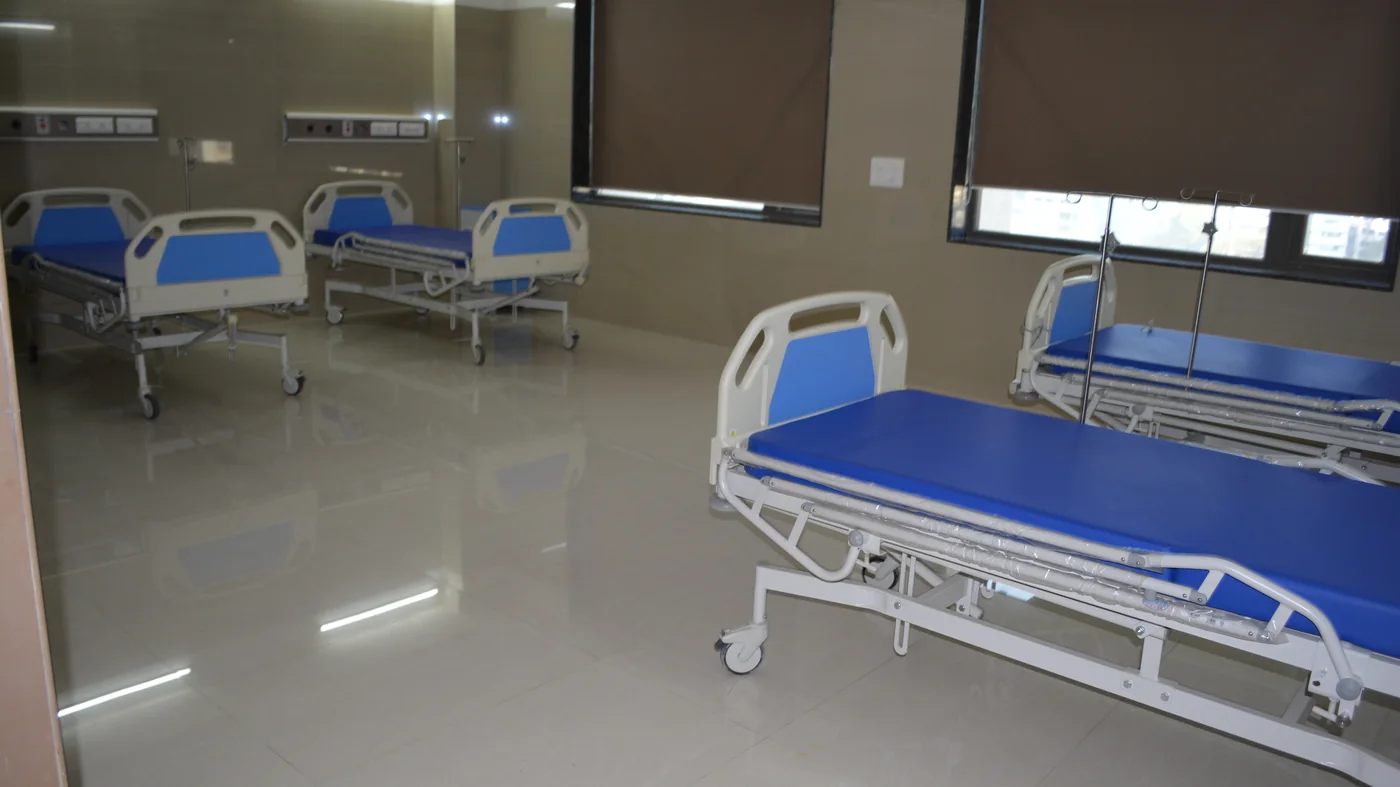
The operation is performed by Dr. Patel at Kiran Multi-Superspeciality Hospital, with a trained theatre and anaesthesia team, and critical care available on site.
You go home with written instructions, medicines and review dates. Reviews continue until healing has settled, and scar care advice is given at the right stage.
A well prepared first visit saves a second one. Bring the items on the left, and use the questions on the right, and you will usually leave with a clear plan rather than a list of things to chase.
Six things that change what can be decided on the day.
Ask these and you will understand the decision, not just the procedure.
Work through these in the fortnight before your date. Two of them, stopping smoking and following the fasting instructions exactly, matter more than the rest combined.
You are admitted, checked again, and the surgical site is marked while you are awake. Photographs may be taken for the medical record, with your consent.
The anaesthetist reviews your fitness and explains what will be used. You are monitored throughout the procedure by the anaesthesia team.
You wake in the recovery area, where pain and nausea are managed before you move to the ward. Family is updated once you are stable.
Recovery is mostly ordinary care done consistently. These are the habits that decide how a scar settles.
Do not wait for your next appointment. Call +91 98980 38191 at any hour, or go to the nearest emergency department.
Four things worth understanding before you commit to anything, because this is where most of the unwelcome surprises come from.
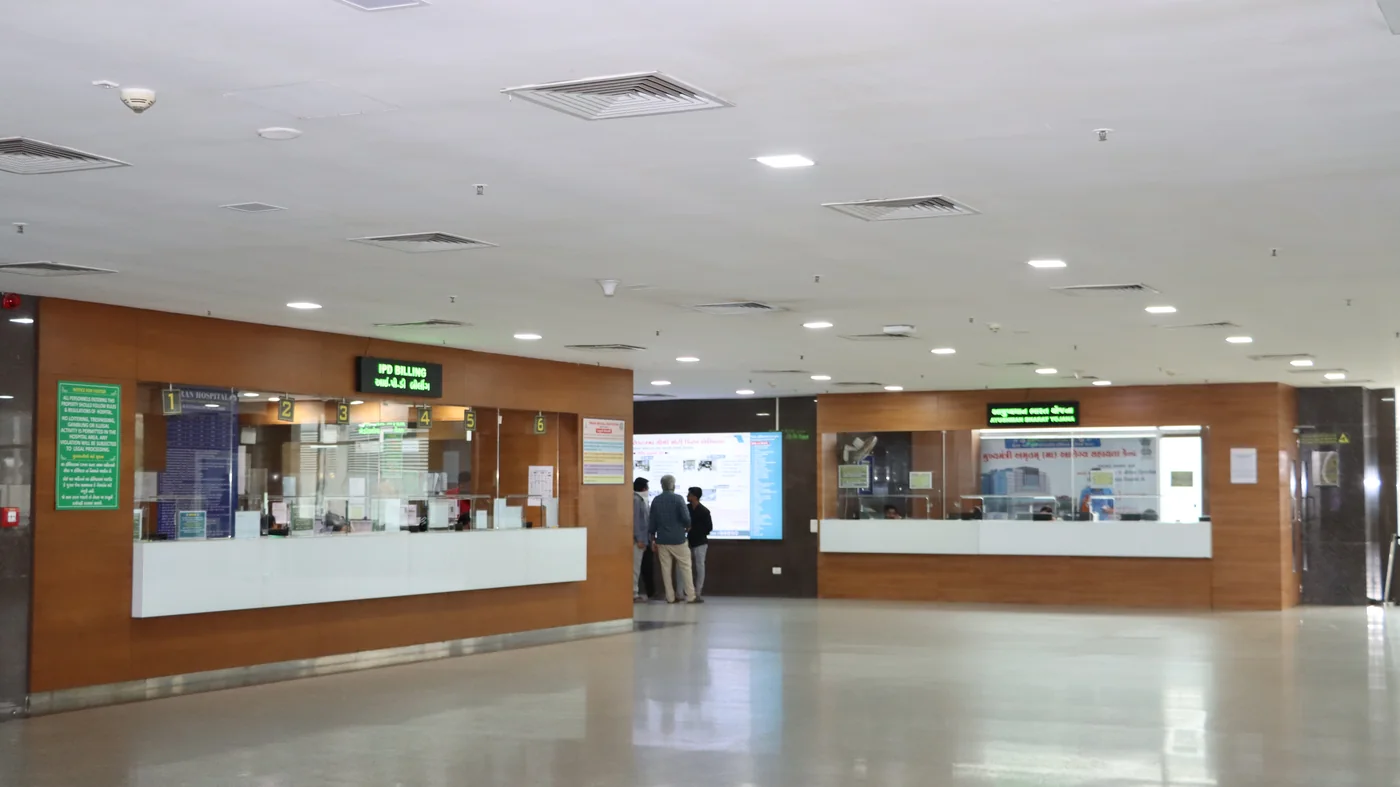
The surgeon's fee, anaesthesia, theatre and room charges, implants and consumables, investigations and medicines. Ask for it in writing, and ask what is not included, because that is where surprises usually come from.
Reconstructive surgery after trauma, burns, cancer or a congenital difference is often covered. Purely cosmetic surgery is generally not. The hospital team assists with pre-authorisation, but the decision always rests with your insurer, so confirm cover before admission.
You are entitled to your operation notes, discharge summary and prescriptions. Keep them together, especially if you travel or move city, since they let any other doctor continue your care safely.
Clinical photographs are part of the medical record and are stored confidentially. They are never published without separate written consent, and Indian medical council guidance does not permit before and after images to be used to promote treatment.
The consultation starts with your concern and your medical history, then an examination. After that, Dr. Patel explains the realistic options, including the option of not having surgery. You will be told what the procedure can and cannot achieve, what recovery involves, and what it will cost, before you decide anything.
Complete the blood tests and any imaging you are asked for. Stop smoking as early as you can, because smoking badly affects wound healing. Tell the team about every medicine you take, including blood thinners, herbal supplements and diabetes medication. Finally, follow the fasting instructions exactly, since surgery is postponed if fasting is not correct.
You will not feel pain during the operation, because it is done under anaesthesia. Afterwards, most patients describe soreness and tightness rather than sharp pain, and this is controlled with prescribed medicines. Tell the nursing staff if the pain is not settling, since good pain control helps you move sooner and recover faster.
Many aesthetic procedures are day care, so you go home the same day. Procedures such as abdominoplasty or breast surgery usually need one to two nights. Major reconstructive and microsurgical cases need longer, sometimes a week or more, because the blood supply to transferred tissue has to be monitored closely.
Office based treatments often allow a return the same day. Day care surgery typically needs three to seven days. Larger operations, and jobs involving lifting or physical work, need several weeks. You will be given a written recovery plan for your specific procedure, so you can plan leave in advance.
Every operation carries risk. The general ones are bleeding, infection, poor scarring, delayed healing, reaction to anaesthesia and blood clots. Procedure specific risks are explained to you during consent. Risks are higher if you smoke, if diabetes is poorly controlled, or if you have a clotting disorder, which is why the pre operative assessment matters.
Reconstructive surgery after trauma, burns, cancer or a congenital difference is frequently covered, and the hospital team helps with pre authorisation and documentation. Purely cosmetic surgery is generally not covered. Coverage is always confirmed with your insurer before admission.
Keep the dressing clean and dry, and do not remove it unless you are told to. Take the full course of any prescribed antibiotic. Avoid soaking the wound, swimming and steam until you are cleared. Above all, do not apply anything to the scar that was not advised, because home remedies often make scarring worse.
Call straight away if you have heavy or increasing bleeding, fever above 38 degrees Celsius, spreading redness, foul smelling discharge, sudden severe swelling, chest pain, breathlessness, or calf pain and swelling. It is always better to call and be reassured than to wait and see.
Scars look their worst in the first weeks, then improve slowly. Most settle substantially over six to twelve months, and some continue improving for up to two years. Sun protection, massage once cleared, and following the scar care advice you are given all make a measurable difference.
Bring it to a consultation, or call and message on +91 98980 38191. For an amputation injury, call immediately, because replantation is time critical.